





- 卖家精灵入门指南
- 选品与市场分析
- 竞品分析
- 产品选品
- 市场分析
- 关键词选品
- ABA数据选品
- 外观专利查询
- 商标查询
- 店铺监控
- 关键词研究与优化
- 关键词挖掘
- 关键词反查
- 流量词对比
- 拓展流量词
- 关键词转化率
- 关键词词库
- 关键词实时竞价查询
- 运营分析与推广
- 广告数据分析
- 流量来源分析
- 关联流量分析
- 出单关键词反查
- AI评论分析
- 产品数据监控
- 关键词排名监控
- AI选品与智能分析
- AI-竞品运营拆解
- AI-市场洞察
- AI-关键词需求洞察
- AI-找竞品
- AI-Listing诊断
- AI-拓产品
- 卖家精灵免费工具(网页版)
- AI生成Listing
- 预测销量
- 利润计算
- Google Trends
- 亚马逊链接生成
- 批量下载图片
- 卖家精灵插件功能与安装教程
- 功能总览
- 插件安装教程
- 插件更新日志与版本记录
- 基础页面功能
- 产品库/产品查询
- 关键词相关性筛查
- 市场与品牌分析
- AI评论分析
- 关键词工具
- 插件免费工具
- 插件字段说明
- 卖家精灵版本更新日志
- 2026年版本更新
- 2025年版本更新
- 2024年版本更新
- 卖家精灵实战教程与案例
- 卖家精灵套餐购买
- 卖家精灵子账号与团队管理
- 卖家精灵数据定制与企业服务
- 数据定制与API服务
- MCP智能接入与AI能力
- 企业客户与大客户解决方案
- 卖家精灵常见问题与解决方案(FAQ)
- 卖家精灵比价助手插件
为什么卖家精灵关键词趋势和Google趋势有时不一致?
2026/03/26 阅读数 (13,797) 评论数 (0)
💡关键词挖掘-功能入口:点击这里
卖家精灵的用户在使用关键词趋势对比时可能会发现,有些关键词的搜索趋势与Google趋势有时不太一致。
*这里的Google趋势为Google网页搜索趋势
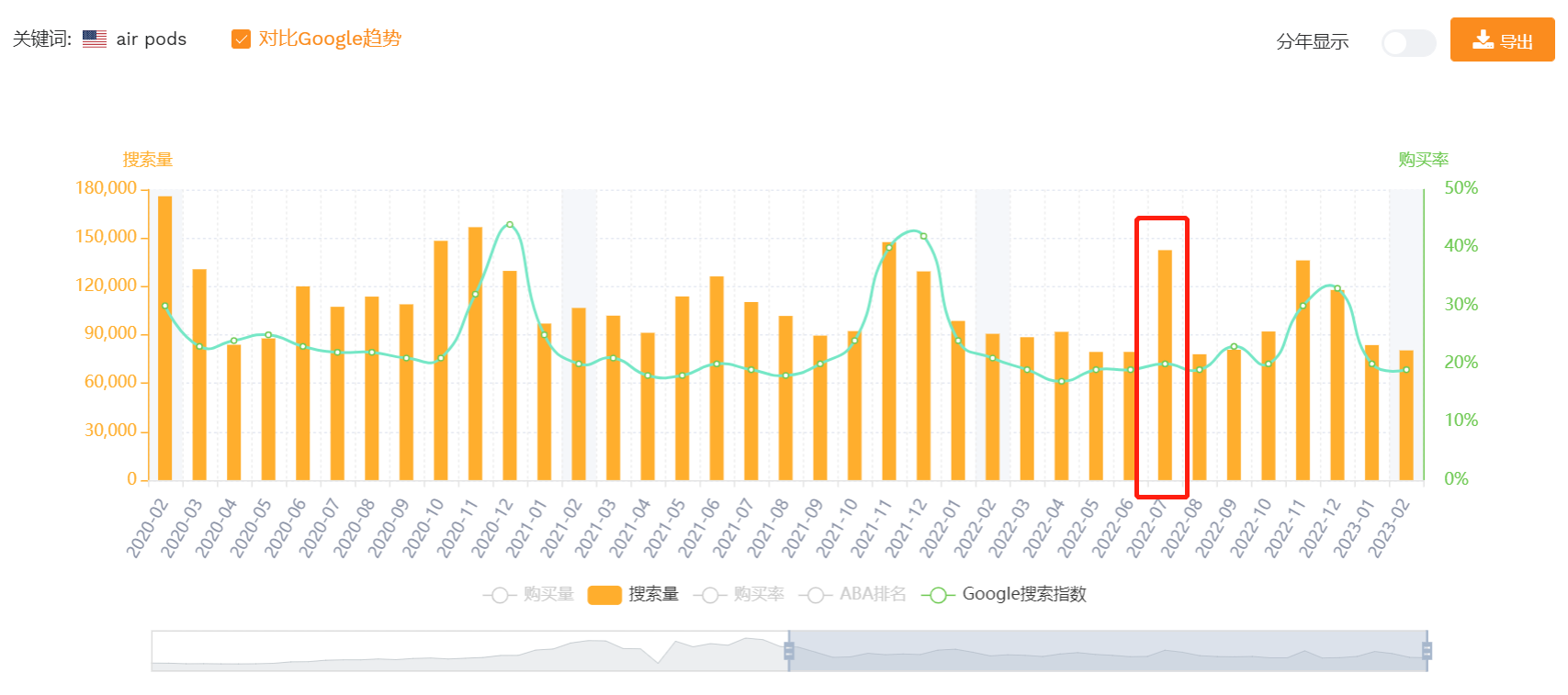
一般来说可能会有以下几种原因:
1、前者是商品搜索,后者是信息搜索
Amazon的用户群和Google的用户群未必重叠,搜索趋势代表的是该平台的用户行为。
卖家精灵的搜索趋势是亚马逊站内的购买趋势,用户搜索某个关键词是希望通过它来找到自己想购买的产品。
Google趋势中的网页搜索,则是通过分析谷歌搜索引擎每天数十亿的搜索数据,告诉用户某一关键词或者话题各个时期下在谷歌搜索引擎中展示的频率及其相关统计数据。
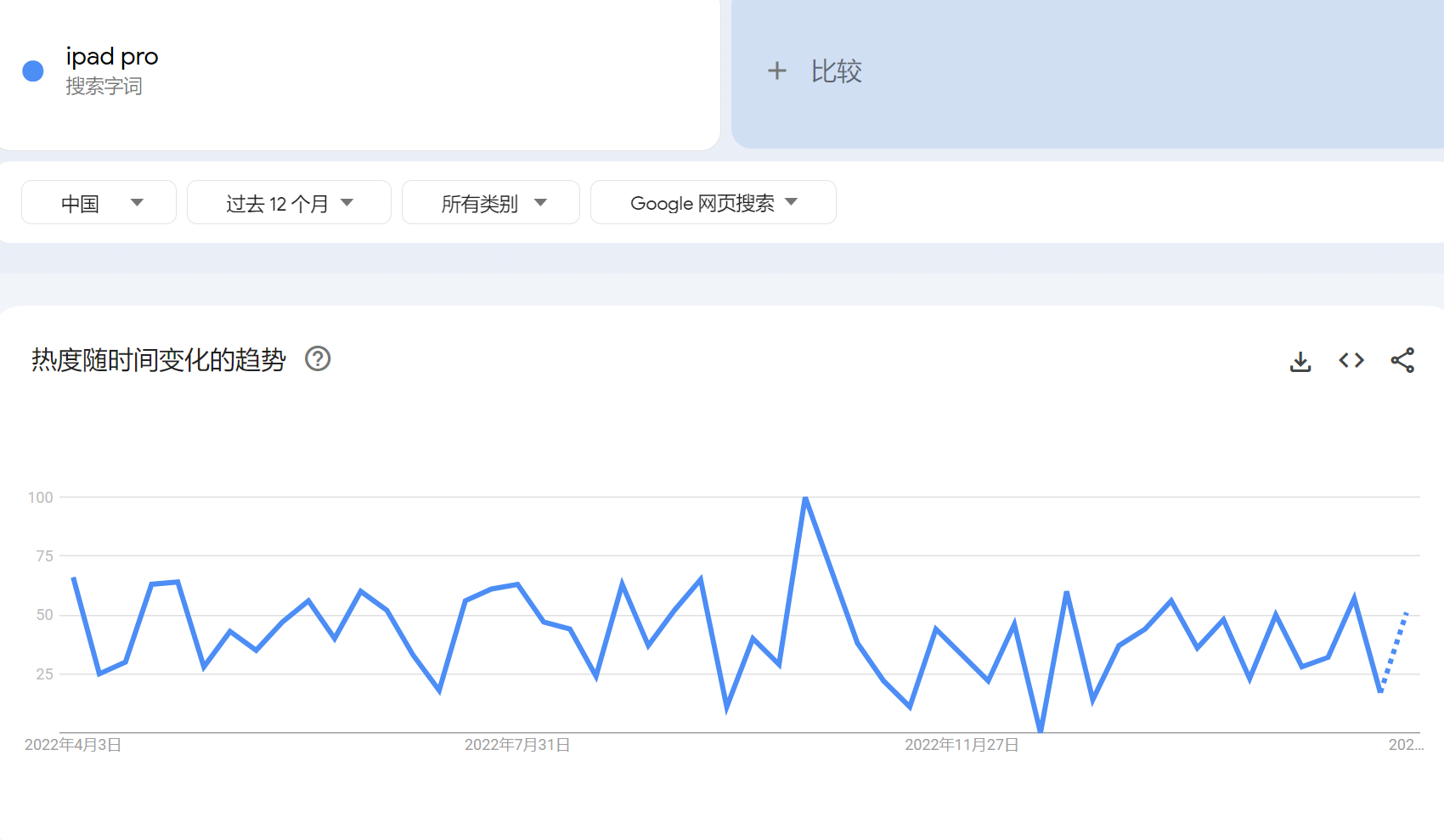
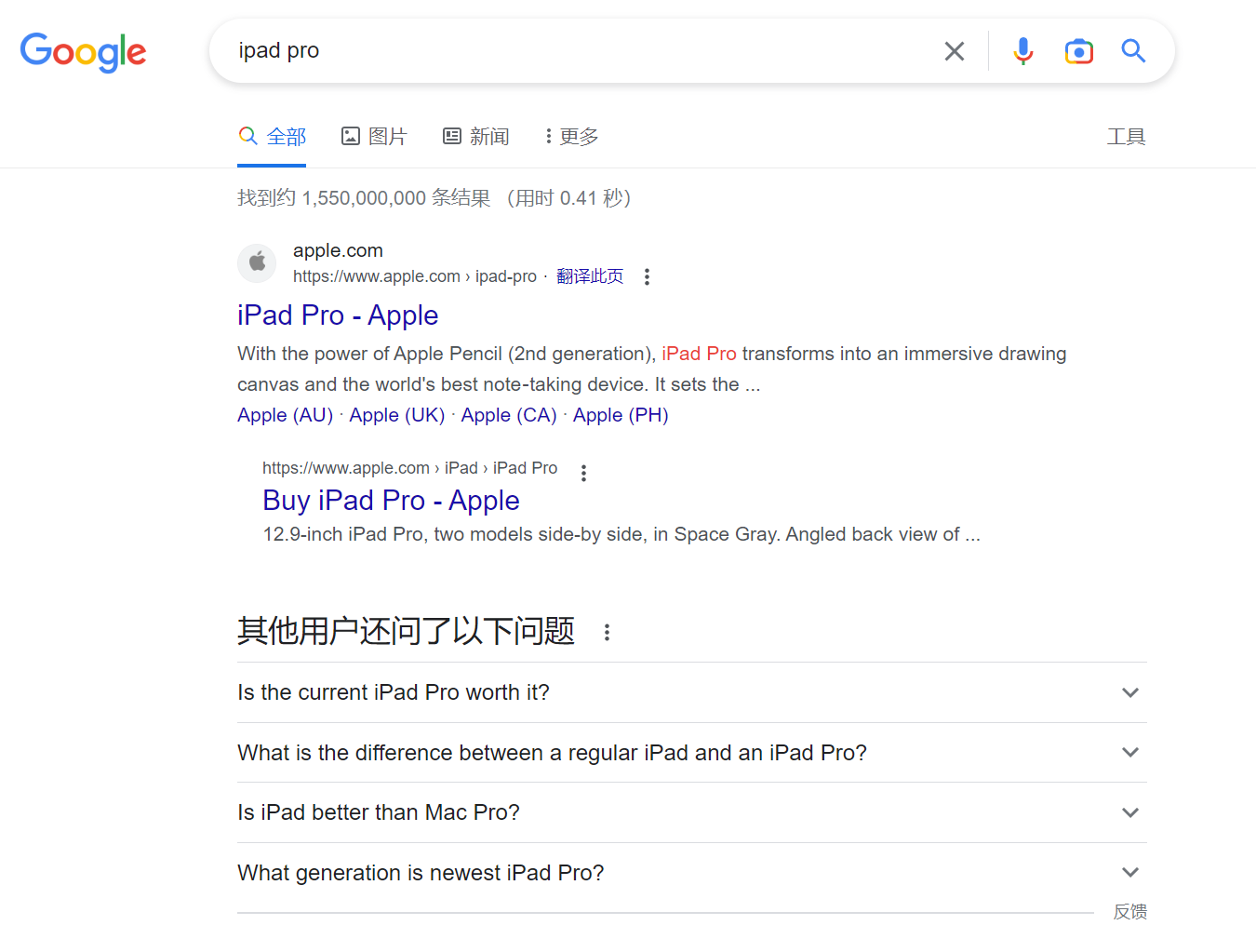
而用户通过Google网页搜索某个关键词,可能是想了解,也可能是想购买。
比如iPad Pro刚出来时,很多人会去Google进行搜索来了解它和iPad的区别,但未必是想去购买(亚马逊站内搜索)。
2、搜索指标定义不同
卖家精灵的关键词搜索趋势,指的是某个关键词某个时间段在亚马逊站内的搜索量趋势。
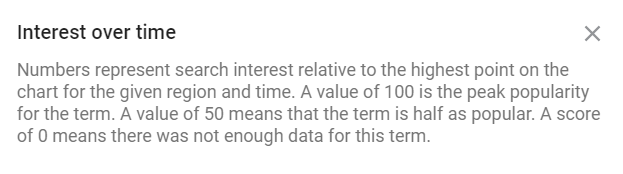
Google Trends展示的关键词指数是Interest over time(热度随时间变化的趋势)。
数字代表的是相对于图表中指定区域和指定时间内最高点的搜索热度。数字越大表示字词在当地所有查询中占比越高,但并不代表绝对查询次数越多。
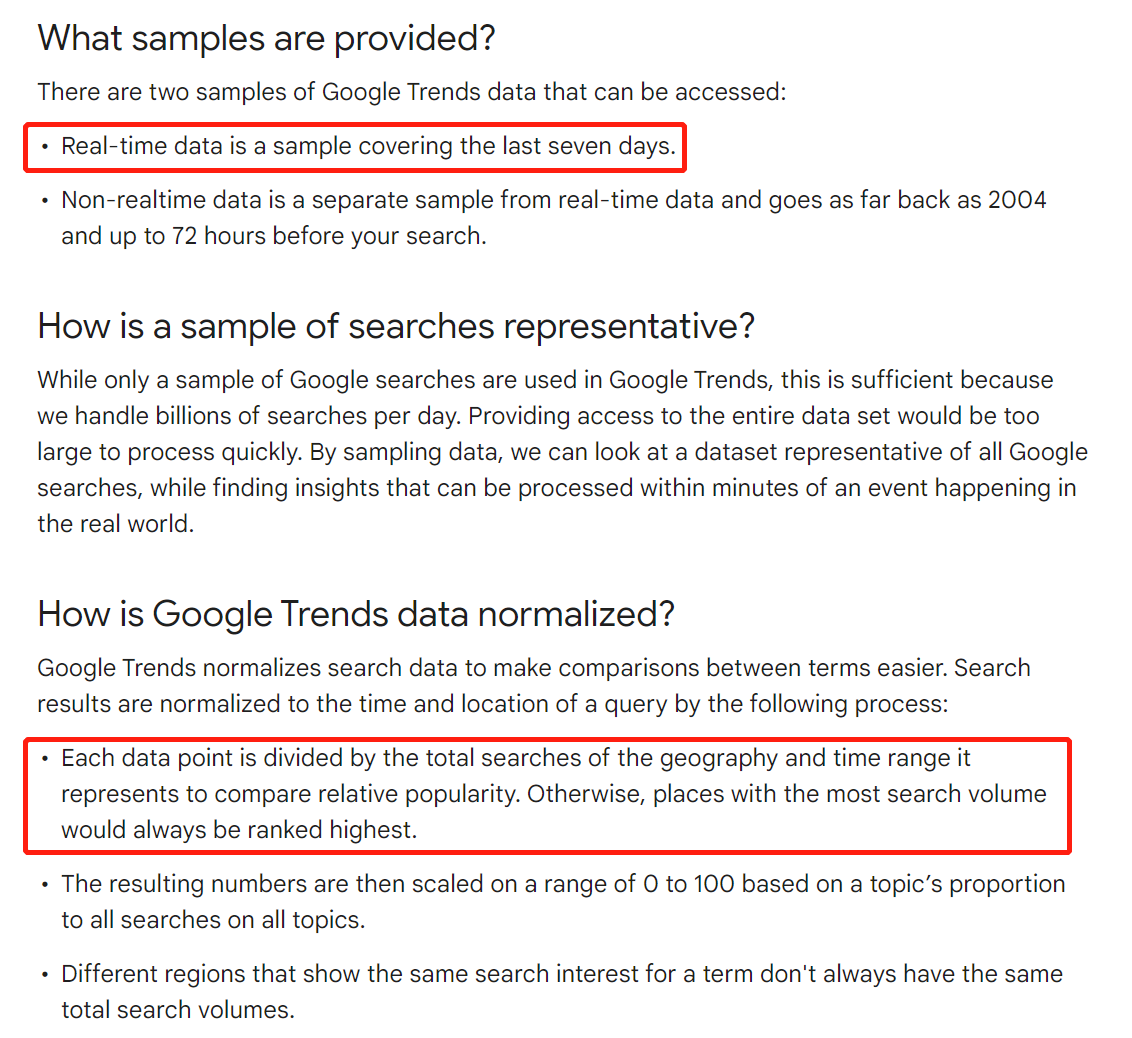
搜索热度的计算方式
1、将每个数据点除以其表示的地理位置和时间范围的总搜索量,以比较相对受欢迎程度。否则,搜索量最大的地方将始终排名最高。
2、然后,根据主题在所有主题上的所有搜索所占的比例,将得出的数字缩放到0到100的范围内。
也就是说,这一数字其实是一个相对指数,随着总搜索量的变化,计算出的搜索热度指数也会发生变化。
比如:iphone 12 一词在刚开始出现的时候,总搜索量较低,某个时间点随便有点搜索量,可能指数就会到 40、50,
现在如果某个时间点的搜索量增加,总搜索量也增加了,其比值变化不大,所以热度指数可能还是只有 40、50,那么之前的指数就会有相应的调整。
来源:《关于谷歌趋势数据的常见问题解答》
参考链接:请点击这里

上一篇
亚马逊关键词搜索结果数是如何计算的?
下一篇
如何判断关键词与产品的相关性?
暂无评论